We use cookies on this website. Cookies help us deliver the best experience on our website. More about cookies
-
- Education
- Education
- Find programmes and courses
- Applications and admissions
- Tuition fees
- Scholarships
- Exchange studies at Malmö University
- Study Guidance
-
- After admission
- After admission
- Moving to Malmö
- Pre-orientation
-
- About studies at Malmö University
- Why choose Malmö University
- Understanding university studies
- Connect with our students
On the page -
- Research
- Research
- Find researchers and research
-
- Doctoral studies
- Doctoral studies
- Doctoral courses
-
- Doctoral schools
- Doctoral schools
- Adaptation of urban space through sustainable regeneration
- Culturally Empowering Education through Language and Literature
- Doctoral school: DACHE
- Education, Learning and Globalisation
- Finding ways in a time of great future challenges (FinnFram)
- Swedish National Graduate School in Science and Technology Education Research
- Learning in Multicultural Societal Contexts
- Pedagogy and Vocational Skills
- Relevancing Mathematics and Science Education (RelMaS)
- Sustainable Movement Education
- The National Research School for Professionals in Social Services
- Research subjects
-
- Research centres
- Research centres
- Biofilms Research Centre for Biointerfaces
-
- Citizen Health
- Citizen Health
- Kids in Action
- Imagining and Co-Creating Futures
- Institute for Urban Research
- Malmö Institute for Migration Studies
- Literacy and Inclusive Teaching
- Centre for Work Life Studies
- Sustainable Digitalisation Research Centre
- Centre for Sexology and Sexuality Studies
-
- Research publications
- Search for research publications in Diva
- Malmö University Press
-
- Research in focus
- Research in focus
- Focus: In the classroom
- Focus: The Election 2026
- Focus: A future with AI
- Focus: Climate and society
- Focus: Peace, democracy and human rights
- Focus: The mouth
- Focus: Migration
- Focus: Elite Sport, Football and Supporter Culture
- Focus: Perspectives on Malmö
- Focus: Loneliness
- Research events
- Participate in a research study
On the page -
- Collaboration & Innovation
-
- Levels of collaboration
-
- Local collaboration
- Muvah
- Co-Create Malmö
- Regional collaboration
- National collaboration
-
- International collaboration
- UNIC
- Innovation
- Collaboration with students
- Collaborate with researchers
- Culture collaboration
- Support Malmö University
On the page -
- About us
- About us
-
- Meet Malmö University
- The history of the University
- Malmö University in numbers
- Sustainability
-
- Management and organisation
-
- Faculty of Culture and Society
- Department of Global Political Studies
- School of Arts and Communication
- Department of Urban Studies
-
- Faculty of Education and Society
- Department of Childhood, Education and Society
- Department of Sport Sciences
- Department of Culture, Languages and Media
- Department of Natural Science, Mathematics and Society
- Department of Society, Culture and Identity
- Department of School Development and Leadership
- The Centre for Teaching and Learning (CAKL)
- Knowledge Centre for Educational Health in Schools (PHIS)
-
- Faculty of Technology and Society
- Department of Computer Science and Media Technology
- Department of Materials Science and Applied Mathematics
- Faculty of Odontology
- Management and decision-making paths
- Malmö University's strategy 2030
-
- Quality assurance work at the University
- Widened recruitment and participation
- University Dental Clinic
-
- Malmö Academic Choir and Orchestra
- Student work – video pieces
On the page -
- Contact
- Contact
- We help you with your questions
- Find your way around Malmö University
-
- News and press
- News and press
-
- Graphic manual
- Graphic manual
- Logo
- Colours
- Typography
- Visual language
- Film and live broadcasts
- Visit Malmö University
- Merchandise
- Supplier information and invoice management
- Whistleblowing
On the page
Faculty of Culture and Society
Culture and Society
At the Faculty of Culture and Society, research and education concerns many of the major issues of our time – for example those dealing with global politics, new media and sustainable urban development – from humanistic, social science, and design science perspectives.
The faculty is a creative, evolving and cross-border academic environment characterised by a high degree of internationalisation and collaboration with others, both inside and outside the academy. We are located in the centre of Malmö, but our perspectives cover the whole world. We are organised into three departments: Urban Studies, Global Political Studies and the School of Arts and Communication.
Objective for academic environments
The Faculty of Culture and Society has, as tasked by the Vice-Chancellor, during the academic year 2022/2023 developed an agenda for coherent and boundary-crossing academic environments, including an objective and strategic priorities for the next three years.
KS agenda for coherent and boundary-crossing academic environments
Objective 2026
The main objective is that by 2026, KS will be home to eight coherent and boundary-crossing academic environments (see descriptions below) — that is, areas where the faculty conducts high-quality research, education at all levels and collaboration, both nationally and internationally.
- Three of these academic environments will primarily be based in the School of Arts and Communication (K3)
- Three in the Department of Urban Studies (US)
- Two in the Department of Global Policy Studies (GPS)
The academic environments transcend both departmental and faculty boundaries and include collaboration partners from academia and beyond, in Sweden and other countries. It is also important to emphasise that the objective is contingent on the possibility of employees being part of multiple environments, and that the environments are intrinsically cross-disciplinary.
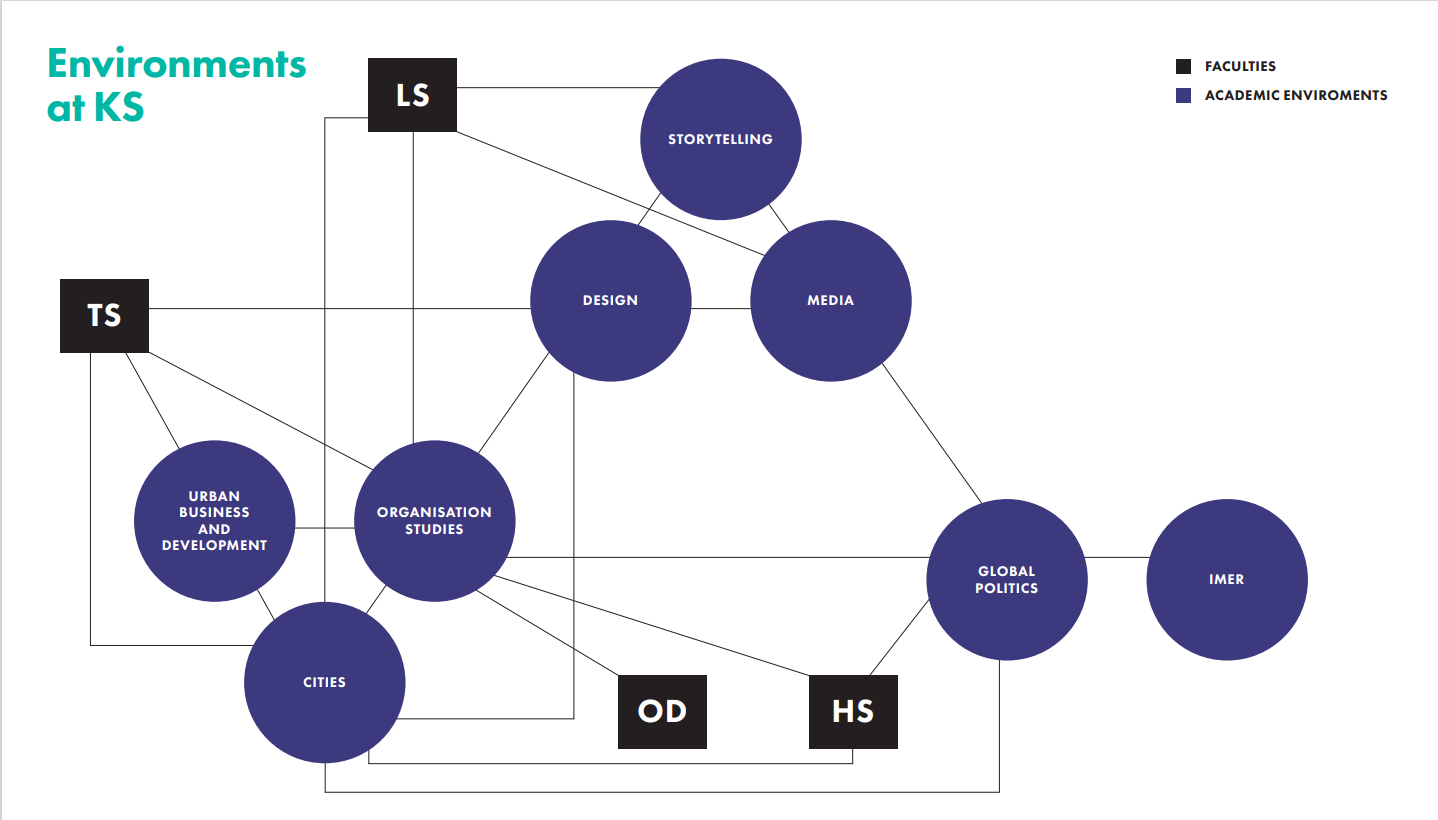
The images only visualise the contact areas of the environments within Malmö University.
Environments at KS, and their relations to each other and to environments at other faculties.
HS – Faculty of Health and Society; LS – Faculty of Education and Society; TS –
Faculty of Technology and Society; OD – Faculty of Odontology
Education at Culture and Society
The Faculty of Culture and Society has education in fields including communication, design, peace and conflict studies, human rights, international relations, leadership and organisation, political science, gender studies, environmental science, real estate science and sustainable urban development.
Research at KS
The faculty conducts interdisciplinary research that explores the interplay between culture, politics, technology and social development. The research contributes to a deeper understanding of global and local societal challenges through critical analyses and innovative methods. The research, which takes shape within the faculty's dynamic knowledge environments, contributes to developing new knowledge and strengthening collaboration between academia and society.
Research centres
Our research
The Faculty's research publications in the database Diva.
-
2026 | Report
Re-Imaginatorium: Exploring participatory practices for critical imagination
Per-Anders Hillgren, Grace Uribe, Per Linde, Joel Veborg
-
2026 | Conference paper
Bridging Southern Traditions and Northern Standards: A Multi-Criteria Sustainability Assessment of Earth-Based Solutions
Marwa Dabaieh, Jorge Fernandes, Ricardo Filipe Mesquita Silva Mateus
-
2026 | Chapter in book
Dance and Phenomenology
Susan Kozel
-
2026 | Conference paper
Clouds May Be Past Farms and Future Rivers: Reworlding Ecosocial Transitions Through Clouding More-than-human Participatory Design
Weronika Kozak, Xinquan Wen, Liesbeth Huybrechts
-
2026 | Conference paper
Atmospheric Belonging: Diffracting Participatory Design within Troposphere
Xinquan Wen
-
2026 | Other
Separating "art" from "data"
Gunnar Krantz
-
2026 | Article in journal
Waste and Power: Critical Perspectives on Inequality and Exclusion
Kim Roelofs
-
2026 | Book
The Researcher's Journey in the Age of AI: Reappraising Social Science Research
Klaus Solberg Söilen
-
2026 | Article in journal
Migrant Culture in Sweden with Focus on Georgian-Swedish Literary Contacts
Karina Vamling
-
2026 | Article in journal
From Archive to Interface: Positioning the Digital Catalogue Raisonné within Nordic Digital Humanities Infrastructure
Elizabeth Ashley Fox-Jensen
Doctoral studies at the Faculty
At Culture and Society, we have doctoral studies in the subjects Global Politics, Interaction Design, International Migration and Ethnic Relations (IMER), Media and Communication Studies, Organisation Studies, and Urban Studies. In order to be admitted to postgraduate education, you must be employed as a doctoral student at the same time.
Departments at Culture and Society
Faculty management
-
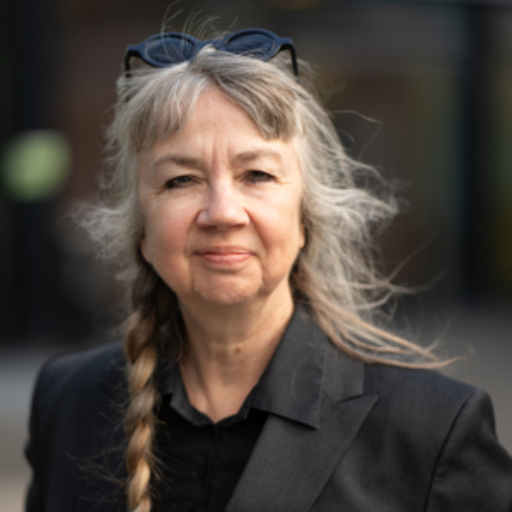
Annika Olsson – Professor/Dean
annika.olsson@mau.se
+46 40 665 76 78 -
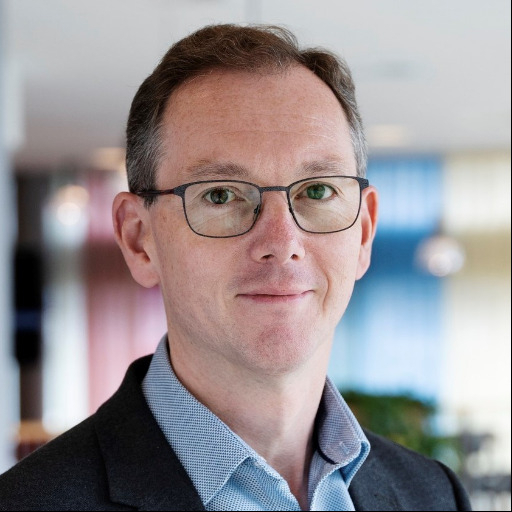
Derek Stanford Hutcheson – Professor/Pro dean
derek.hutcheson@mau.se
+46 72 546 68 34 -
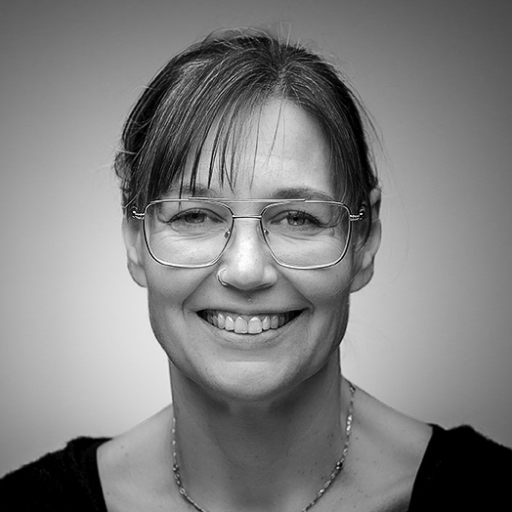
Maria Wiktorsson – Vice Dean/Senior lecturer
Vice dean for education
maria.wiktorsson@mau.se
+46 40 665 72 55 -
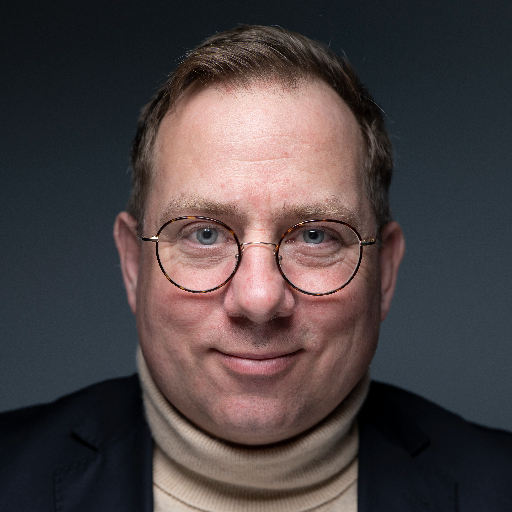
Magnus Andersson – Associate Professor/Vice Dean
Vice dean for doctoral education
magnus.e.andersson@mau.se
+46 40 665 72 06 -
Helene Waldeck – Head of administration
helene.waldeck@mau.se
+46 40 665 70 73